Designing a New Reverse Logistics Product for Amazon
Creating a new experience that enables merchants selling outside Amazon to use Amazon's reverse logistics network.

📦 Amazon's 3pl returns
Amazon 3PL Returns is a new service within Amazon Supply Chain that allows merchants selling outside of Amazon (such as on Shopify or their own websites) to use Amazon's reverse logistics network. The service helps merchants offer a better return experience while increasing the recovery value of returned products.
👥 Team
Although I was the sole UX designer dedicated to this product, building it required close collaboration across many teams. Core team: 1 UX Designer (me), Product Manager, Product Owner and 3 Software Engineers
We worked closely to ensure the experience aligned with existing Amazon products, met legal and operational requirements, supported future scalability, and could be implemented within technical constraints.
💡Opportunity
Amazon has spent years building one of the most trusted returns experiences in ecommerce. The opportunity was to bring those capabilities to merchants selling outside Amazon.
Instead of building their own reverse logistics network, merchants could use Amazon's infrastructure to handle returns, improve the customer experience, and recover more value from returned inventory.
👑 My Role
As the sole UX designer, I owned the end-to-end product design, including concept exploration, user flows, UX/UI design, workshops, design reviews, usability testing, and collaboration with product, research, and engineering teams throughout development.
📚 background
I joined the project while Amazon Supply Chain was undergoing a major platform redesign. The challenge was designing a new enterprise experience within a complex ecosystem of existing products, technical constraints, and evolving design patterns.
At first, reverse logistics seemed like a simple version of outbound shipping in reverse. However, I quickly learned that returns involve many complex decisions around processing, recovery, inventory, and merchant preferences.
🛠️ "How Might We" workshop
The biggest challenges were onboarding and configuration. Merchants needed flexibility, but every setting affected downstream processes.
To better understand these challenges, I facilitated a How Might We workshop with cross-functional partners to identify pain points, explore ideas, and align on opportunities.

🧩 Flow charts
Facilitated flow mapping workshops to understand merchant journeys, identify key ingress points, and align teams on how users move through the product.

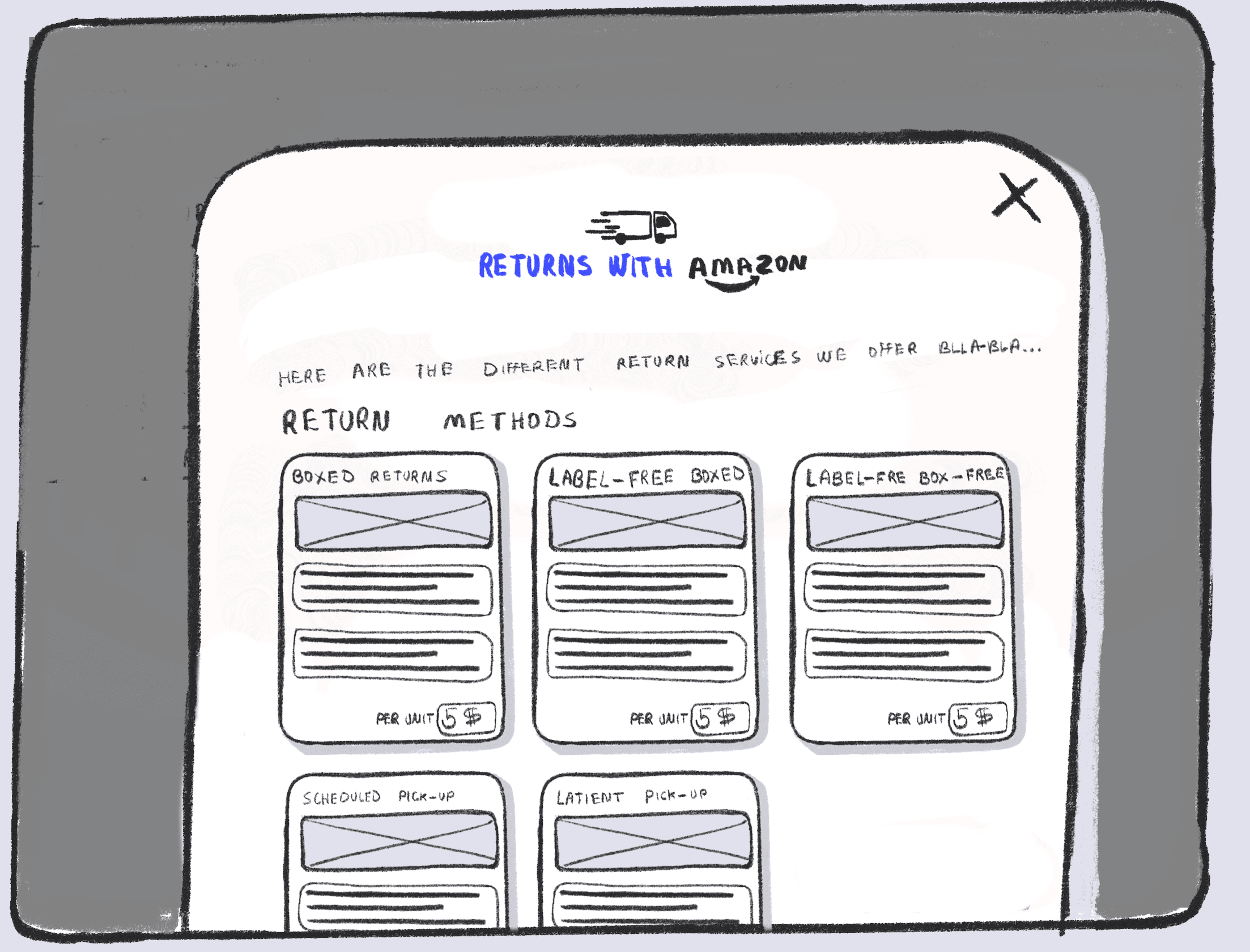
✍🏻 Sketching
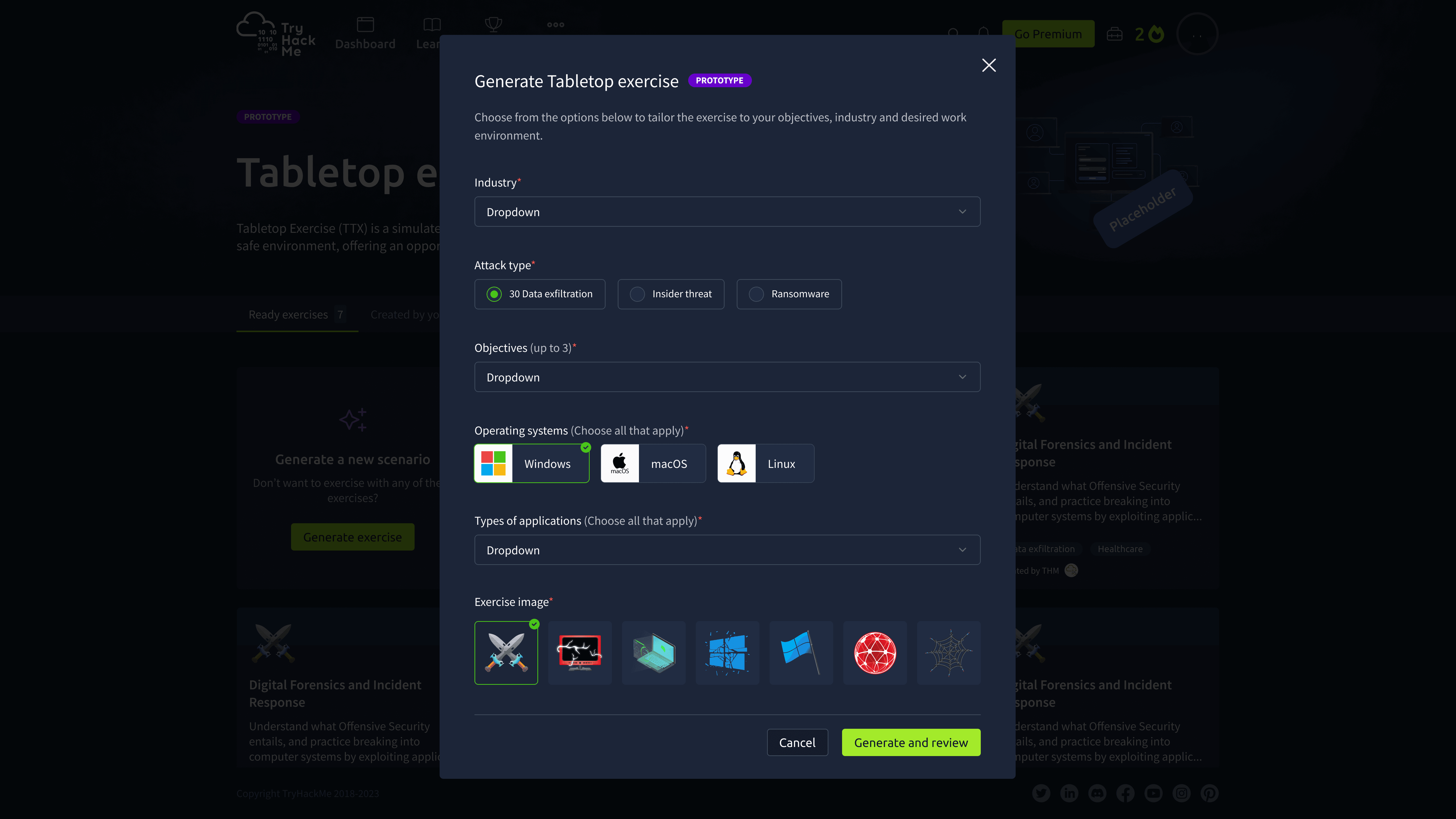
I used sketches, prototypes, and AI-assisted ideation tools to quickly explore concepts and communicate ideas with stakeholders.
The onboarding and configuration experiences went through multiple iterations as we balanced merchant needs, technical feasibility, and operational requirements.


🎨 Key experiences
The screens below show the current version of the product. Usability testing may lead to future changes and improvements. I use the Cloudscape Design System and create new patterns when needed. We have weekly design reviews to collect feedback and align with the team.

Setup guide: A guided onboarding flow that helps merchants configure their return program and complete the required setup steps.

Returns dashboard: A returns dashboard that provides a high-level view of return activity, key metrics, and quick access to important actions.

Manage returns: A centralized view of recent returns where merchants can monitor return status, search and filter returns, customize columns, and access return details.
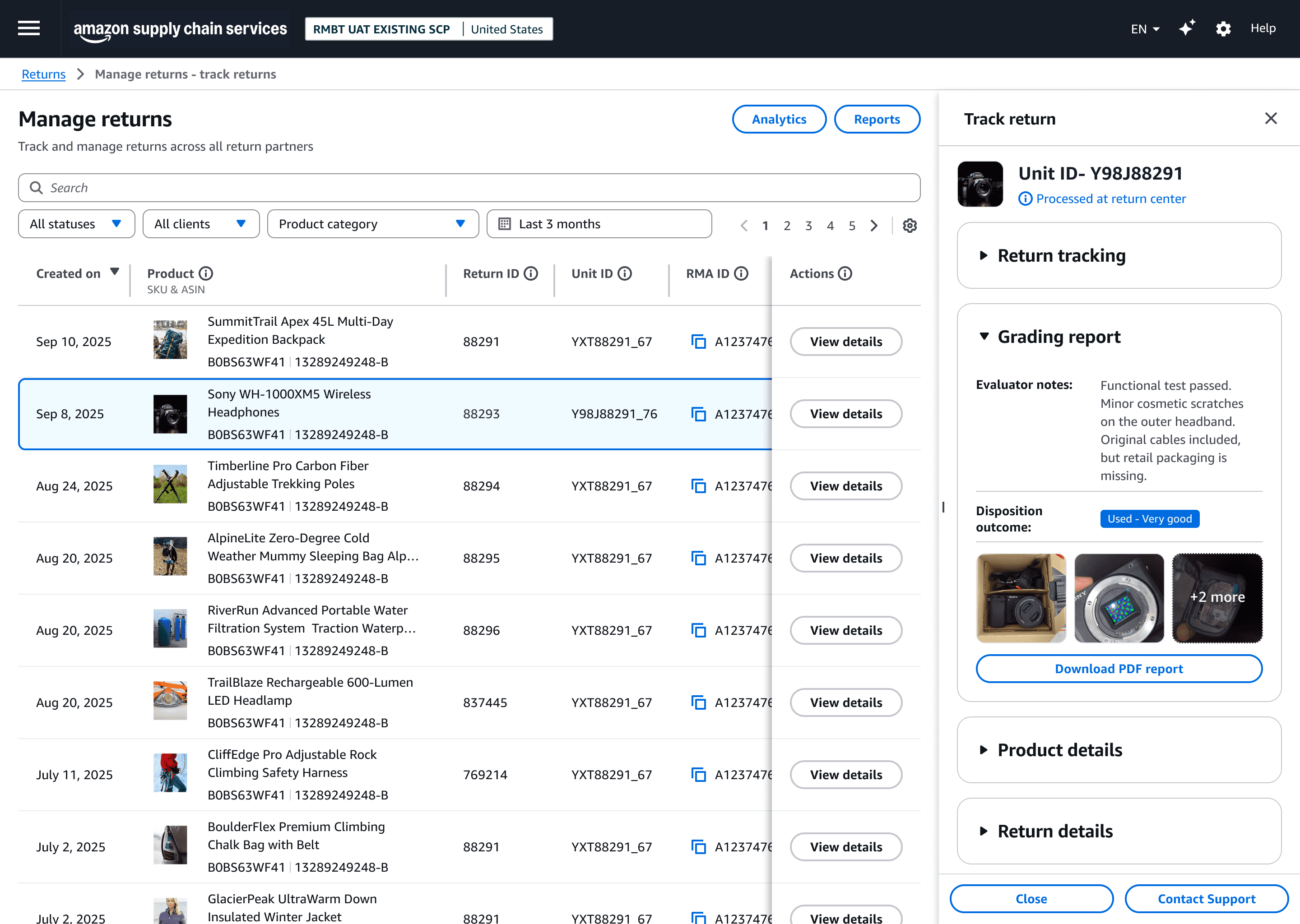
Track return: A detailed return timeline showing tracking information, processing history, grading results, sellability insights, and the complete return journey.
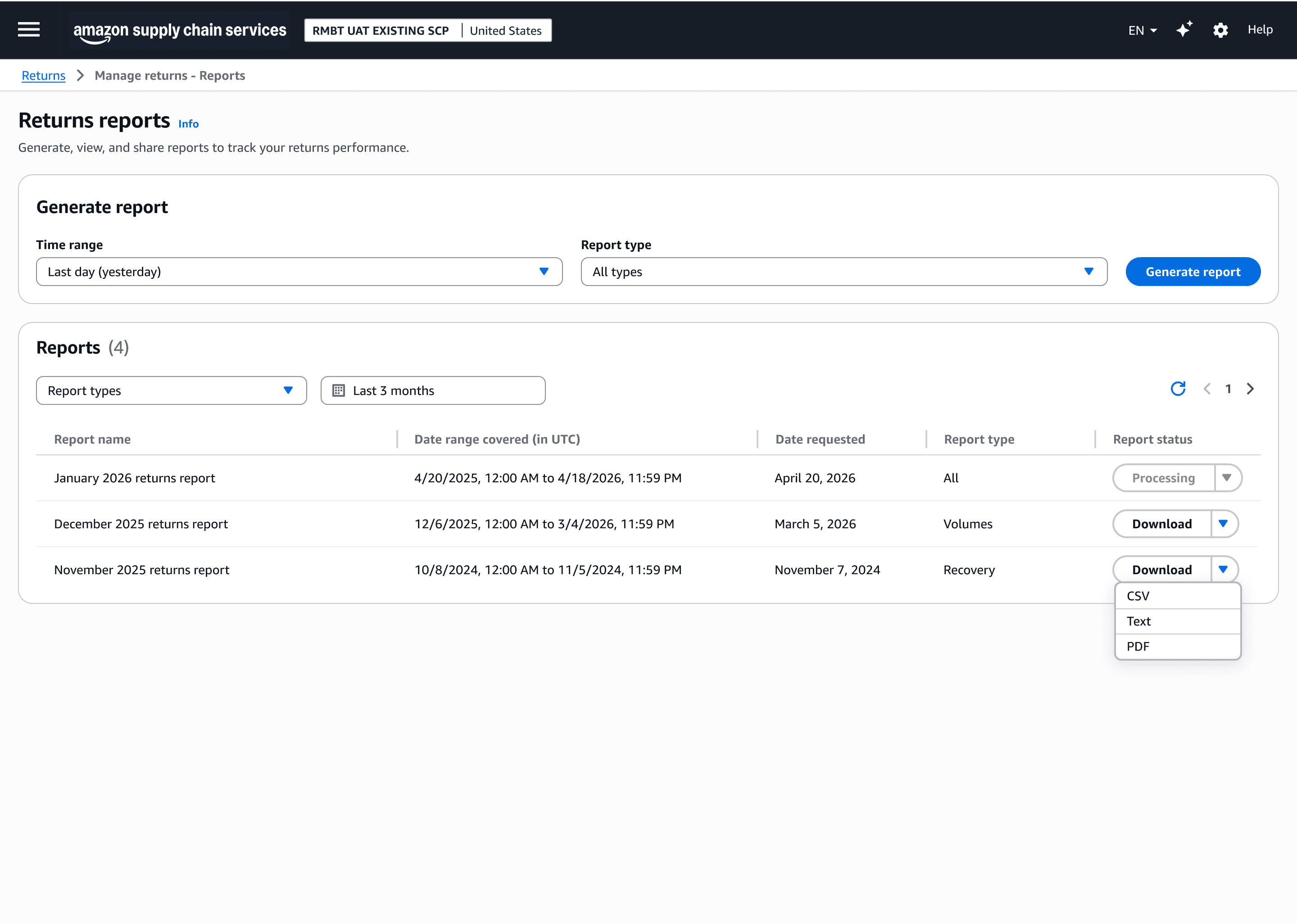
Reports: A reporting page where merchants can generate and download return performance reports.
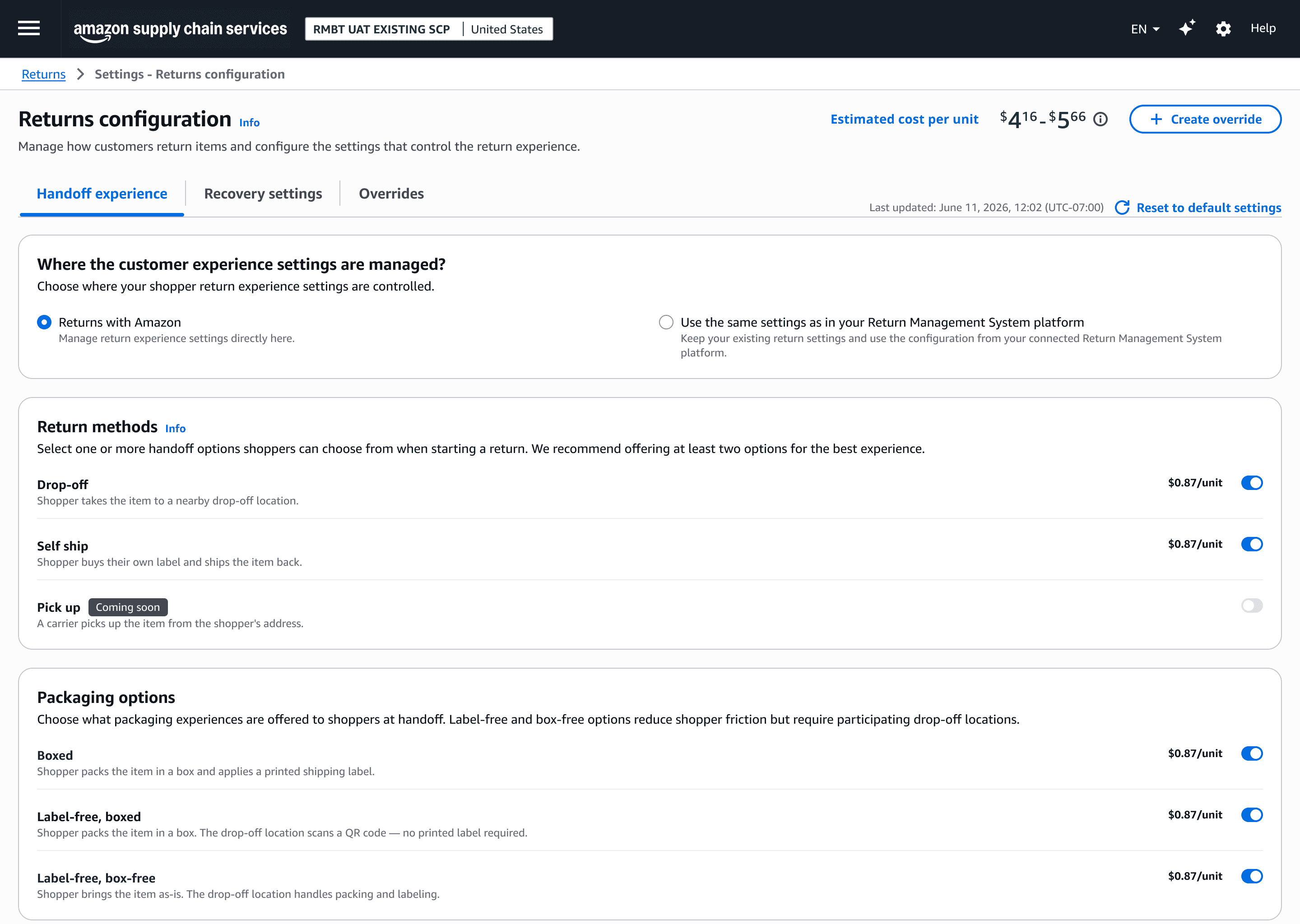
Configuration: A settings area where merchants can manage shopper return experiences, returned item handling preferences, estimated costs, and default return behavior.

Overrides: A rule management page where merchants can view, prioritize, and organize exceptions to their default return configuration.

Create an override: A multi-step workflow where merchants can create custom rules by selecting products, defining conditions, and configuring specific handling preferences. Supports individual product selection, bulk SKU uploads, and custom attributes.
🧪 Usability testing
The product was tested with enterprise merchants through remote usability studies. Research focused on understanding navigation, onboarding, configuration, and overall usability to guide future improvements.
💭 Learnings
This project strengthened my ability to design complex enterprise products where user needs, technical limitations, business goals, and operational requirements all need to work together.
Working as the sole designer also showed me the importance of strong collaboration. Aligning early with product, engineering, legal, analytics, research, and other teams helped identify issues sooner and build a more scalable solution.